
Safety Without Sacrificing Adventure
Adventure and safety are not opposites. The safest expeditions are built on thoughtful planning, experienced leadership, and constant awareness—not unnecessary restrictions.
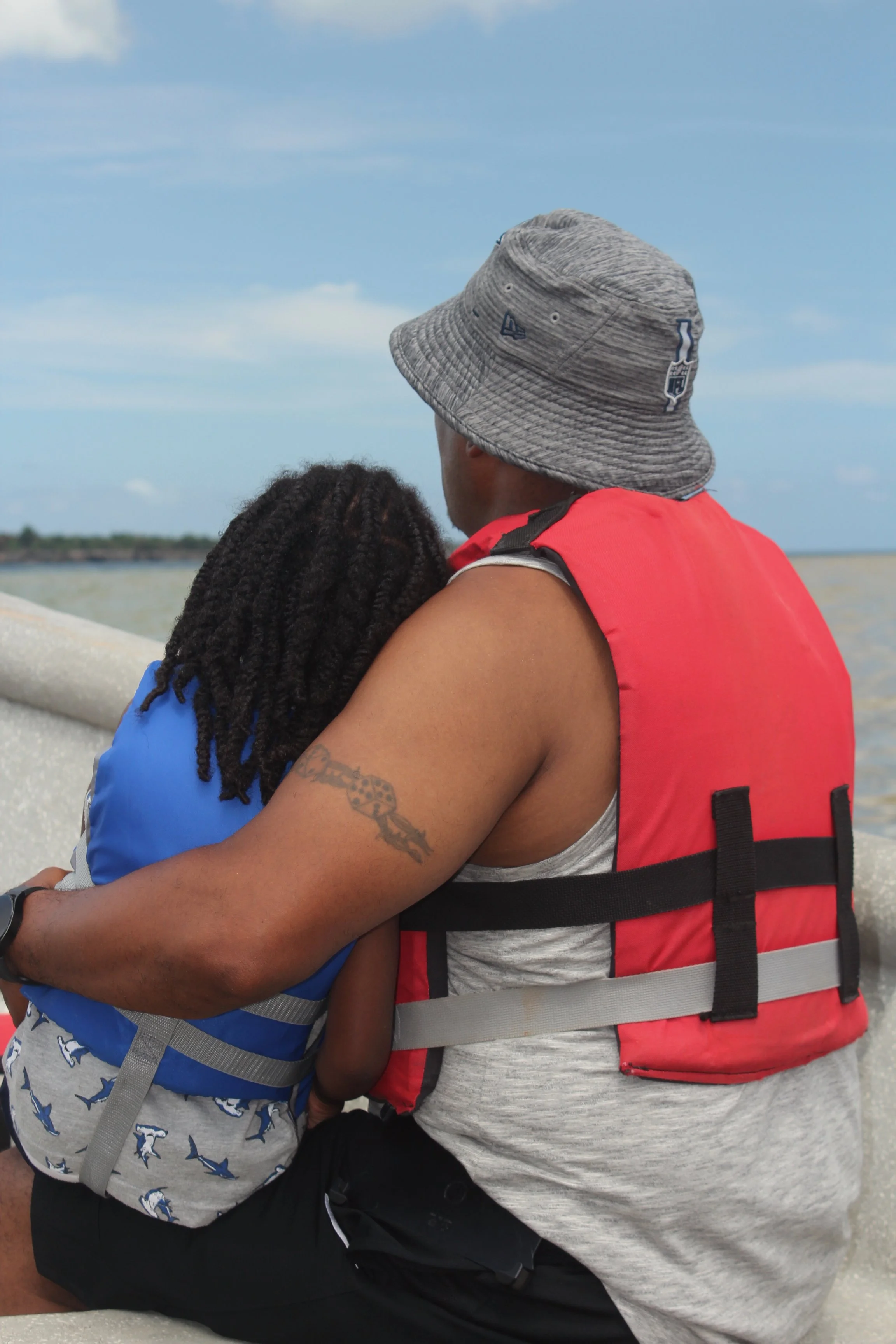
Our Approach to Safety
Whether we're leading a half-day adventure or a month-long expedition, safety always begins with the same philosophy. Every experience presents its own unique challenges, so every itinerary is planned with those specific risks in mind. While the details may change from trip to trip, the foundation never does. We build every experience around three core principles: Active Observation, Qualified Competency, and Emergency Planning. Together, these principles allow us to create experiences that are both adventurous and responsibly managed.
Active Observation
The best way to handle an emergency is to prevent it from happening in the first place. Active Observation means ensuring we have the right number of qualified staff for each activity and group, with supervision levels determined by the environment, the age of participants, and the group's experience. In some situations, that may mean one staff member for every three participants. In others, experienced groups may safely require much less supervision. Our goal is simple: maintain an appropriate level of awareness so potential problems are recognized early, long before they become emergencies.

How we put this into practice:
Maximum 7:1 participant-to-staff ratio during general travel and daily activities.
Maximum 3:1 participant-to-staff ratio during adventure and higher-risk activities.
Supervision levels adjusted based on age, experience, and environment.
Continuous observation throughout each experience—not just during high-risk activities.
Ongoing assessment of weather, terrain, and group conditions.
Activities modified or paused whenever conditions change.
Qualified Competency
People—not policies—are the most important part of any safety system. Every member of the Yuma Co. team is selected for their experience, professionalism, and commitment to responsible leadership. Depending on their role, staff are expected to arrive with specific qualifications or complete the training and certifications required by Yuma Co. We believe that every person responsible for our guests' safety should have both the knowledge and the confidence to respond when it matters most.

Our team is expected to:
Meet role-specific experience requirements.
Hold or complete relevant certifications before leading activities.
Maintain current first aid and emergency response training where applicable.
Participate in ongoing safety training and internal evaluations.
Lead only the activities they are qualified to supervise.
Emergency Planning
Good planning means preparing for situations you hope never happen. Before every experience, we develop response plans based on the environment and activities involved. Sometimes that simply means knowing the nearest medical facility and the fastest route to it. Other times, particularly in remote locations, it means coordinating more advanced emergency resources, including evacuation plans if they are ever needed. Every trip carries a well-stocked medical kit, and our staff are trained in first aid so they can respond quickly while additional assistance is arranged. Thankfully, we've never had to rely on our most extreme contingency plans—but we believe the best time to prepare for an emergency is long before one exists.
Every experience includes:
Pre-planned emergency response procedures.
Identified medical facilities and evacuation routes.
First aid kits appropriate for the activity and location.
Staff trained to provide immediate first aid while coordinating additional care.
Communication plans for both local and remote environments.
Additional emergency resources planned for high-risk or remote expeditions.
No safety system can eliminate every risk, but thoughtful planning, qualified leadership, and careful preparation allow us to manage those risks responsibly while preserving the adventure that makes our experiences so meaningful.