Education as a foundation for travel
Travel can be exciting, memorable, and transformative—but at Yuma Co., we believe the strongest experiences are also educational.
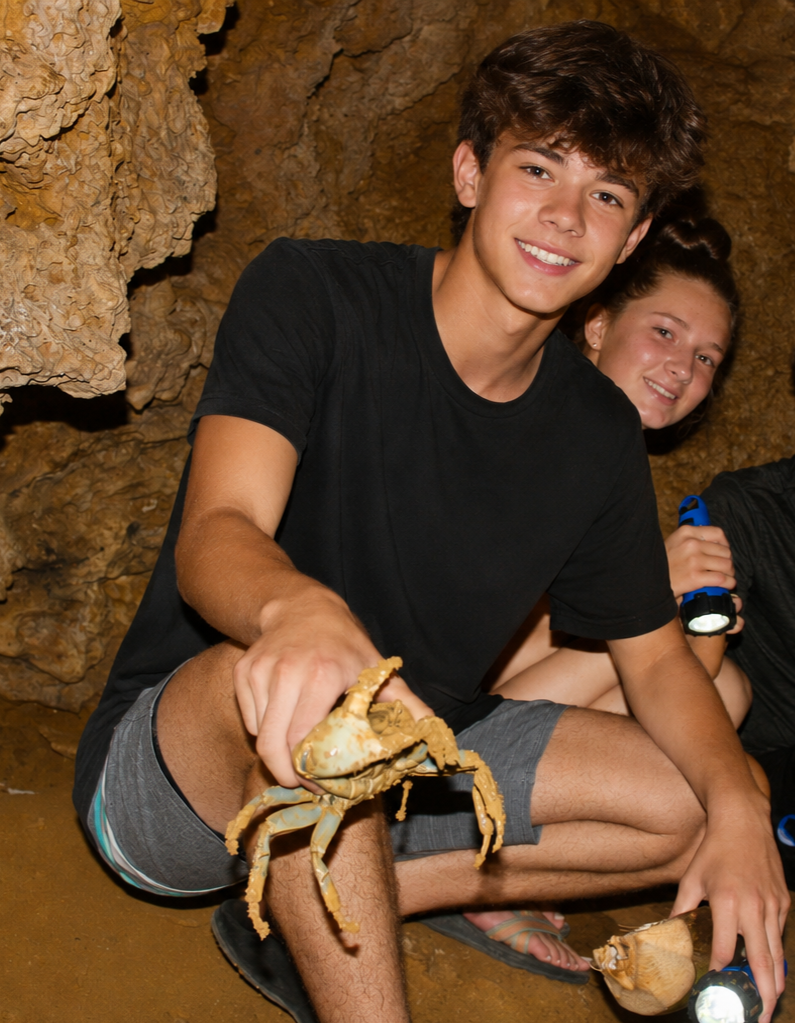
Adventure is what captures a student's attention. Learning is what gives the experience lasting value.
At Dominican Explorer, we believe travel is most powerful when it combines exploration with intentional learning. Every activity, community interaction, and challenge is designed to help students better understand the world around them, the people they meet, and their own abilities.
Our expeditions are built around four educational pillars: Experiential Learning, Cultural Understanding, Environmental Awareness, and Personal Growth. Together, these create experiences that complement classroom learning while helping students develop skills that are difficult to teach within four walls.
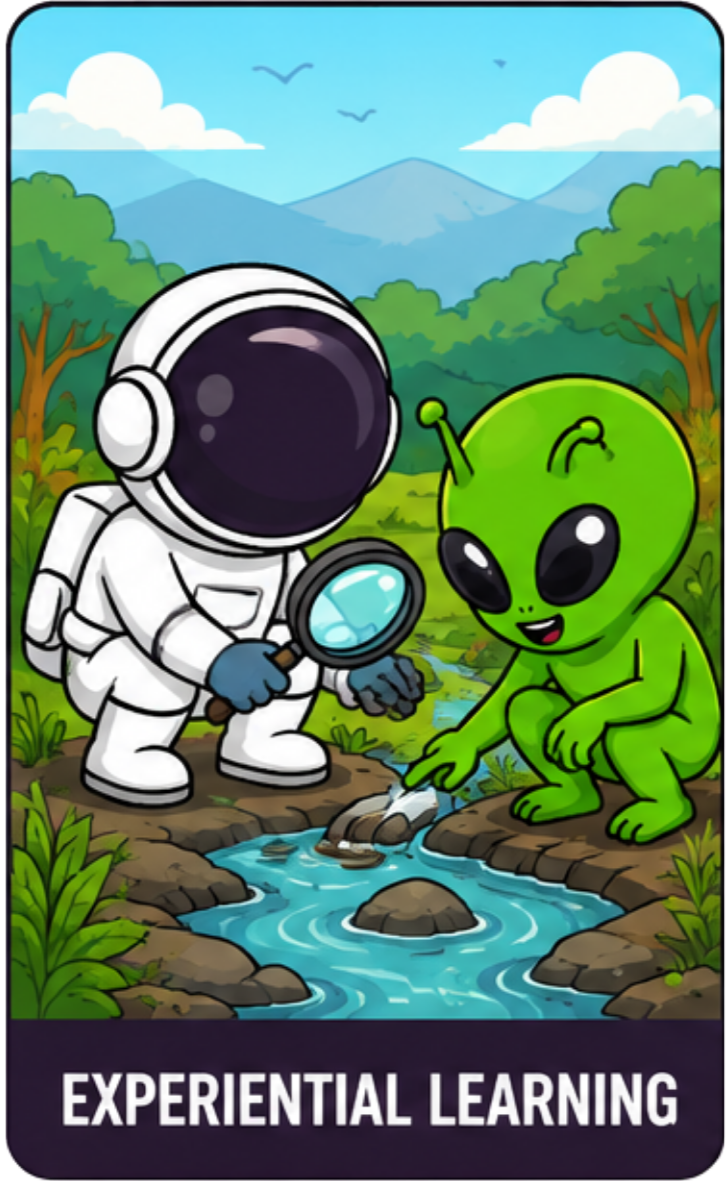
Experiential Learning
Students learn best when they are actively involved in the process.
Rather than only reading about ecosystems, history, leadership, or culture, students experience them firsthand through exploration, conversation, problem-solving, and reflection.
Examples include:
Earning a PADI Open Water scuba certification.
Exploring tropical ecosystems and protected areas.
Participating in community events and cultural exchanges.
Working alongside Dominican university students.
Navigating real-world challenges as a team.
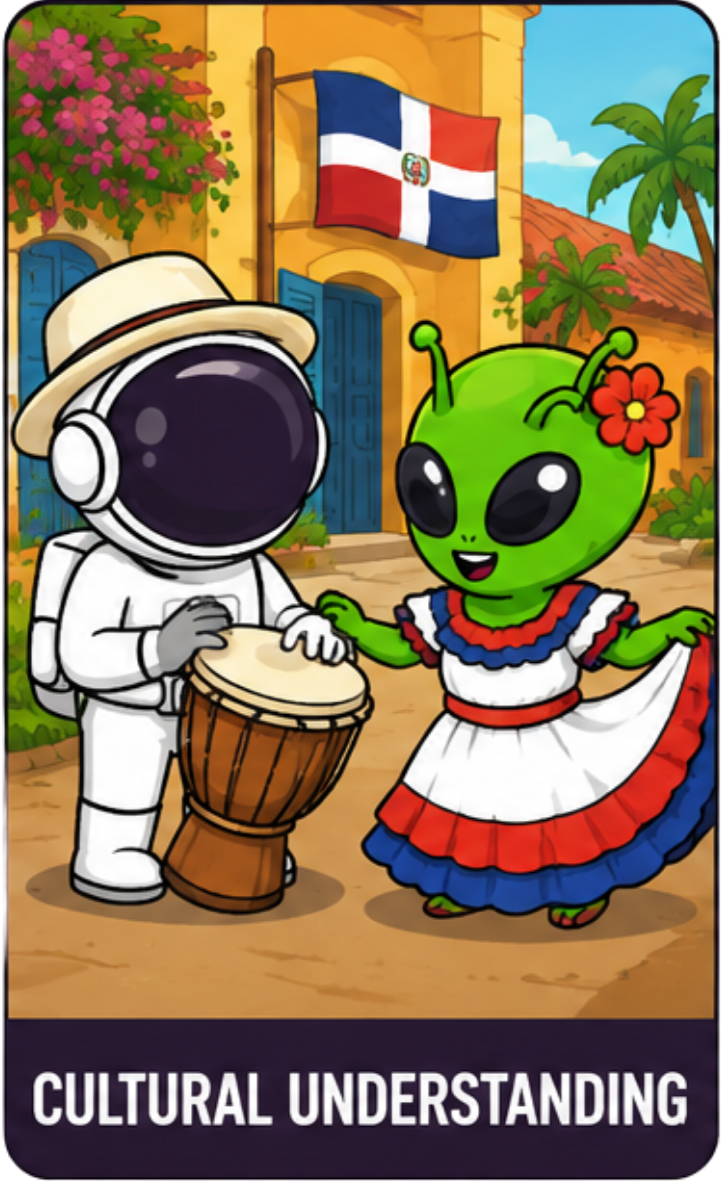
Cultural Understanding
Travel provides an opportunity to see the world from a different perspective.
By spending time with host families, local students, and community members, students gain a deeper understanding of Dominican culture, traditions, and daily life.
Students are encouraged to:
Practice curiosity and respectful communication.
Explore different perspectives and ways of life.
Reflect on similarities and differences between communities.
Develop greater intercultural awareness.
Environmental Awareness
The Dominican Republic is home to incredible biodiversity, national parks, coral reefs, rivers, caves, and forests.
Our experiences help students understand how people and environments are connected and why conservation matters.
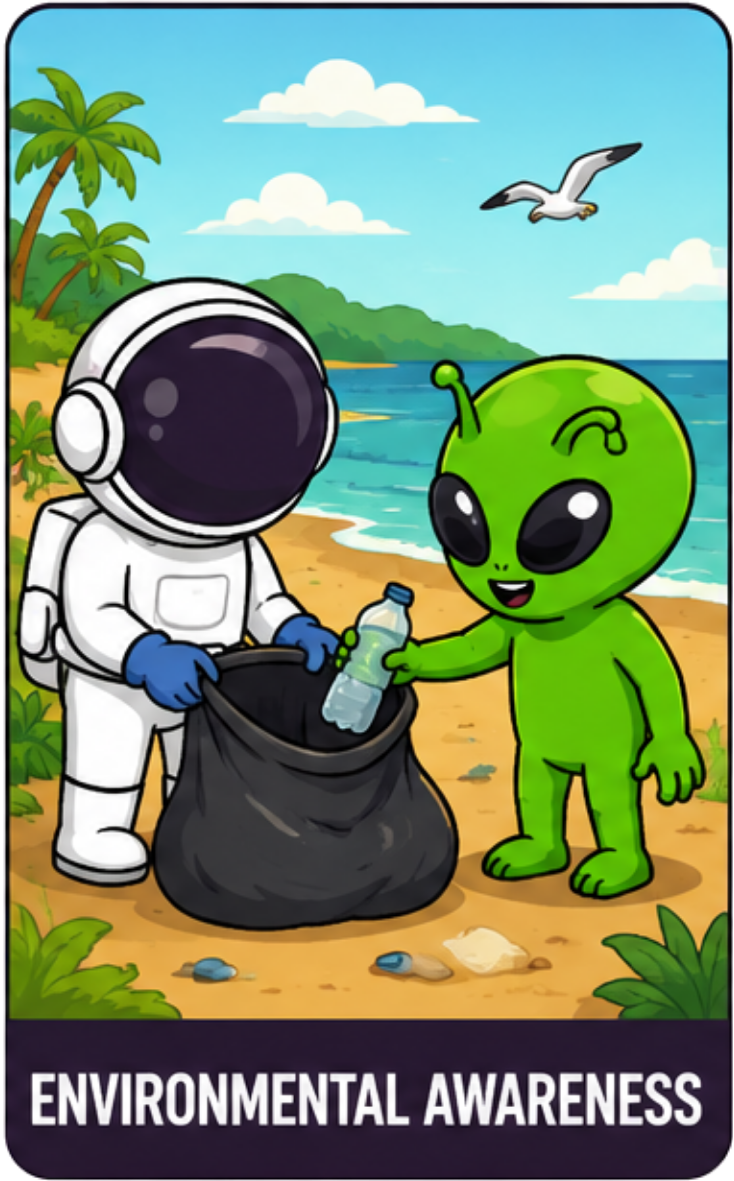
Topics may include:
Coral reef ecosystems.
Tropical forests and biodiversity.
Effects of overfishing
Blight of the sargassum seaweed
Conservation and sustainable tourism.
Human impacts on natural environments.
Personal Growth
Some of the most important lessons happen outside of a traditional classroom.
Travel encourages students to adapt, communicate, solve problems, and develop confidence in unfamiliar environments.
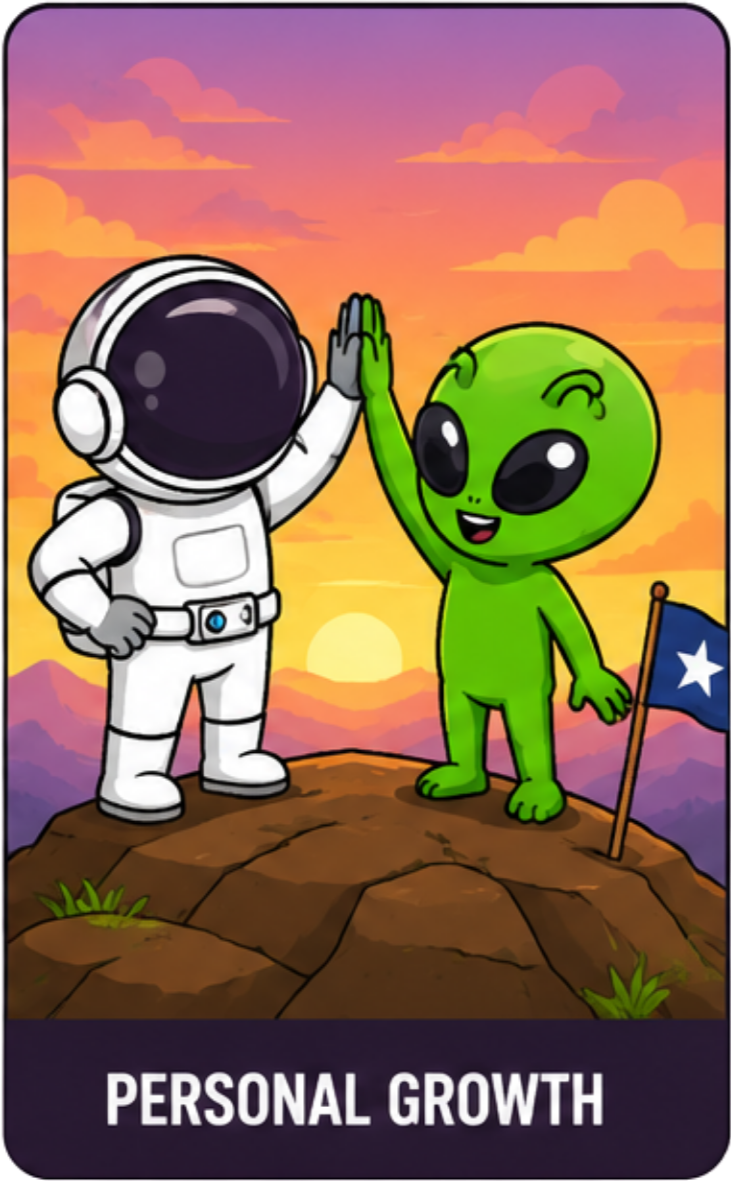
Students often develop:
Independence and self-confidence.
Leadership and teamwork skills.
Problem-solving abilities.
Adaptability and resilience.
Greater confidence in new situations.
At Yuma Co., we believe education is not limited to a classroom. Some lessons are learned by exploring a reef, sharing a meal with a host family, navigating a river, or seeing the world through someone else's eyes. Our goal is to create experiences that are memorable, meaningful, and educational long after the journey ends.