Taking Students Abroad:
10 Questions Every Teacher Should Ask Before Booking an International Trip
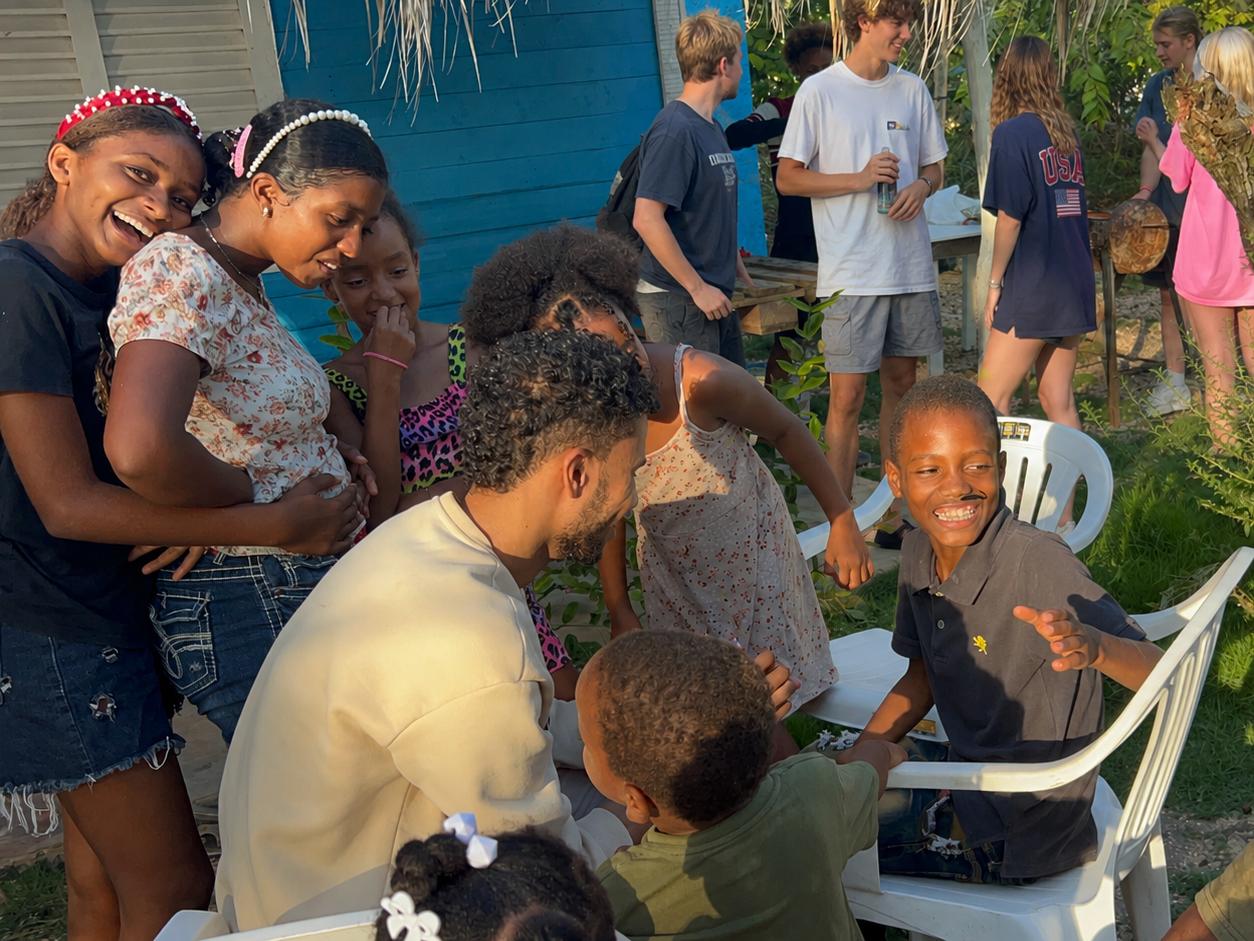
Taking students to another country is one of those ideas that sounds incredibly exciting until you start thinking about what it actually involves.
The students are excited. You’re excited. You start imagining them experiencing another culture, trying food they've never had, speaking another language, getting outside, and seeing things they’ve only ever read about.
Then the practical questions start coming.
What happens if someone gets sick? Who is responsible for my students? What if there’s an emergency? Will the school approve it? Will parents be comfortable with it? And how do I know the company I’m working with is actually prepared to take care of a group of teenagers?
Those questions are important. In fact, they should probably be answered before you even start worrying about which destination has the best beaches.
I've spent years working in tourism in the Dominican Republic, and as we've started developing student travel programs, I've realized that organizing a trip for teenagers is a completely different responsibility from organizing a trip for ordinary travelers.
So, if you're thinking about taking students abroad, here are ten questions I'd want answered before booking anything.
1. What does "safe" actually mean?
Almost every travel company will tell you their trip is safe.
That's not a particularly useful answer.
The better question is what has the company actually done to make the trip safe?
When you're responsible for students in another country, safety is much more than choosing a safe hotel or having a first-aid kit nearby. It means thinking through the entire experience, from the moment students leave the airport to the moment they return home.
How are students transported? Who is driving them? Where are they staying? Who is supervising them? What happens during an adventure activity? What happens if the weather changes? How does the company handle medical problems? What happens if a student gets separated from the group?
These aren't necessarily exciting questions, but they're the questions that matter.
One of the best questions you can ask a travel company is simply:
"Walk me through what would happen if one of my students became seriously ill during the trip."
You should get a clear answer.
A good company shouldn't make you feel silly for asking difficult questions. They should expect you to ask them.



2. Who is actually looking after my students?
There's a big difference between saying a trip is "supervised" and explaining exactly what supervision looks like.
If you're taking 15, 20, or 30 teenagers abroad, you need to know who is responsible for them and when.
Who is with them during activities? Who is supervising transportation? What happens when the group arrives at the hotel? What about meals or free time? And what happens when you're doing an activity that carries more risk, such as swimming, hiking, scuba diving, rafting, or exploring caves?
At Yuma Co., we've built our student programs around the idea that supervision shouldn't be an afterthought. Our target ratio is approximately three students per professional during higher-risk activities and seven students per professional during lower-risk portions of the trip.
The exact number isn't necessarily the magic ingredient. The important thing is having a defined system of responsibility rather than simply assuming that someone will be watching the students.
As a teacher, you shouldn't have to spend your entire trip counting heads.
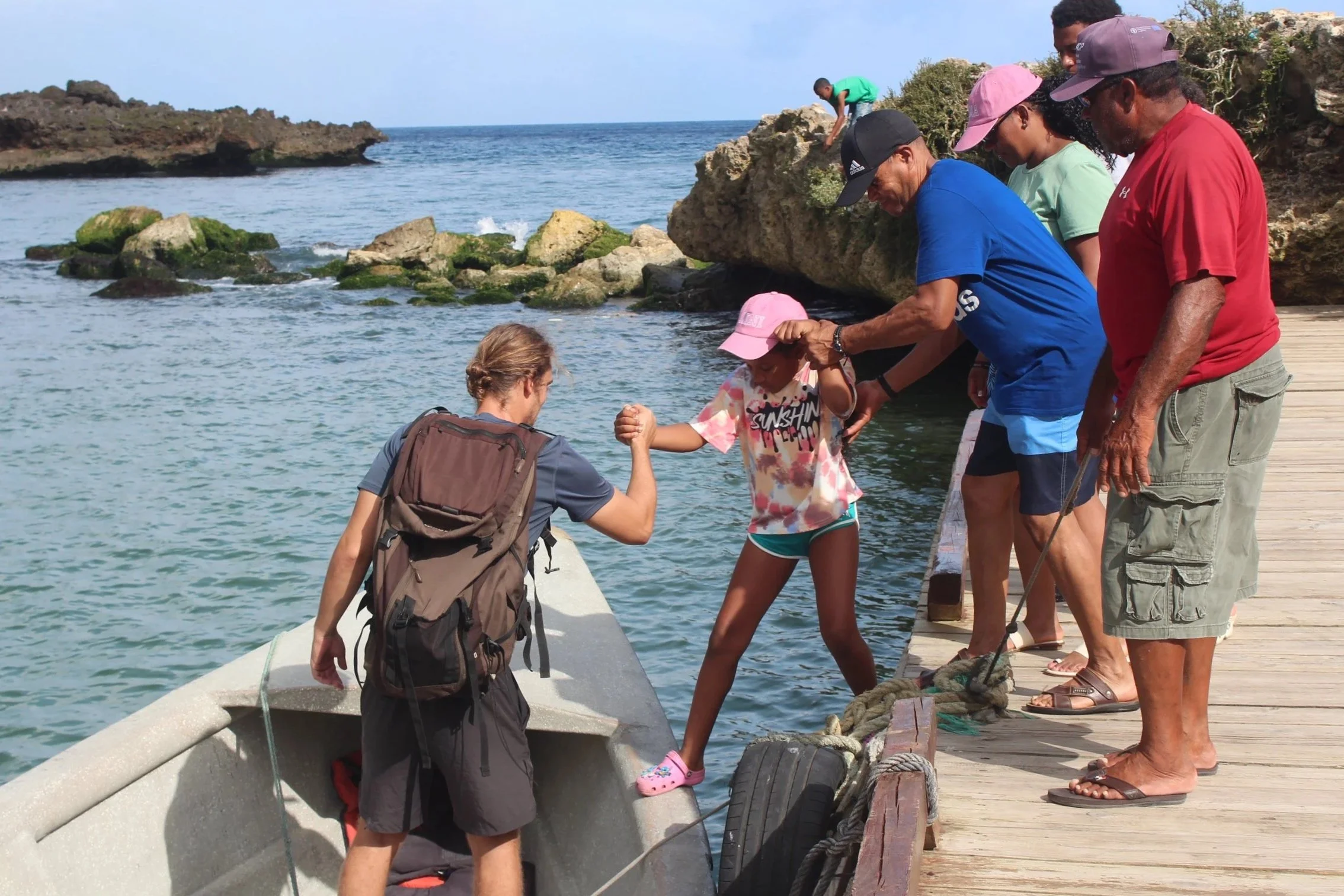
3. What happens when (not IF!) something doesn't go according to plan?
The best trips are not the ones where nothing unexpected happens.
They're the ones where the people running the trip know what to do when something unexpected happens.
A student gets sick. A flight is delayed. A storm changes the itinerary. Someone loses their passport. An activity has to be cancelled. A student gets injured.
These things can happen anywhere in the world.
Before booking, ask the company what their emergency procedures look like and who will be your point of contact. You should understand how the company communicates with you, how medical care would be arranged, and how parents and school administrators would be involved if necessary.
You don't need someone to promise you that nothing will ever go wrong.
You need someone who can say, "If something does go wrong, here's what we're going to do."
That distinction is incredibly important when you're responsible for other people's children.

4. Is this really an educational trip?
This might be the question that gets overlooked most often.
International travel is inherently educational to some degree, but simply putting students on an airplane doesn't automatically turn a vacation into an educational experience.
A student can visit a cave and take pictures.
Or they can visit that same cave while learning about geology, ecosystems, local history, human interaction with the environment, and the role the cave has played in the surrounding community.
They can snorkel in the Caribbean.
Or they can study a marine ecosystem firsthand.
They can visit a community.
Or they can learn about how tourism, economics, culture, and environmental issues intersect in that community.
The difference is in how the trip is designed.
If you're talking to a travel company, ask them what students are actually supposed to learn, not just what they're going to see.
A good program should give students opportunities to observe, participate, ask questions, and reflect on what they're experiencing.
That's where travel can become something much more powerful than sightseeing.
5. What are the students actually going to do?
Ask to see the itinerary.
And when you look at it, don't just look for how many attractions are included. Look at what the students will actually be doing.
Will they spend most of the day sitting on a bus and taking pictures? Or will they be actively participating in the experience?
A strong student trip might combine adventure, culture, environmental science, history, language, and community experiences.
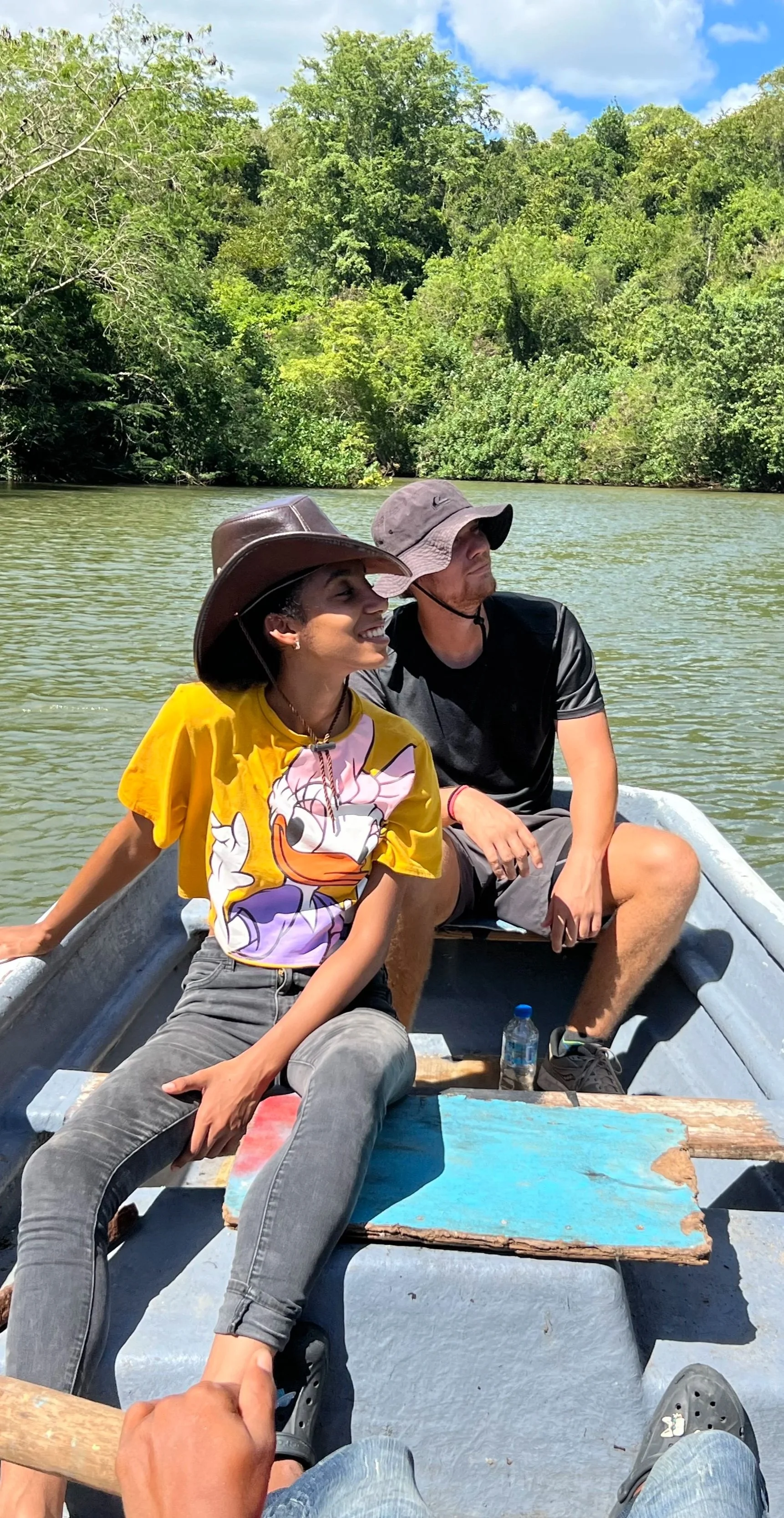
In the Dominican Republic, for example, students could spend part of a trip exploring tropical ecosystems, learning about conservation, practicing Spanish, studying local history, getting into the water to experience marine environments, and interacting with people in communities outside the traditional tourist areas.
That's one of the reasons we're so excited about student travel here.
The Dominican Republic isn't just a place where students can have fun. It's a place where there are a lot of things to learn.
6. What am I actually paying for?
Price can be one of the hardest things to compare between student travel companies.
A trip advertised at $2,000 might initially look much cheaper than one advertised at $2,700. But if the first company doesn't include transportation, meals, equipment, activities, or other major expenses, the difference may not be as large as it appears.
Before comparing prices, ask for a clear explanation of what's included.
At minimum, you should understand what you're paying for when it comes to accommodations, transportation, activities, meals, equipment, guides, entrance fees, and program staff.
You should also understand what's not included.
Ask about deposits, payment schedules, cancellation policies, refunds, optional activities, and additional expenses students may encounter.
The cheapest trip isn't necessarily the best deal.
The more useful question is:
"What does the total price actually get my students?"
7. What are parents going to ask me?
This is one of those things that's easy to overlook until you start holding a parent meeting.
Parents aren't just deciding whether their child wants to go to the Dominican Republic, Costa Rica, Europe, or somewhere else.
They're deciding whether they're comfortable sending their child to another country without them.
They're going to want to know where their child is staying, who is supervising them, how they can communicate with them, what happens in an emergency, what medical care is available, what insurance is provided, and what happens if something goes wrong.
The more clearly you can answer those questions, the more confidence parents will have.
And this is something a good travel company should help you with.
You shouldn't have to build your entire parent information package from scratch.
8. What does the school need from me—and from the travel company?
This is a conversation worth having with your administration early.
Schools and institutions can have very different requirements for international travel and outside vendors. Some may require specific insurance documentation, contracts, waivers, emergency procedures, transportation information, or other risk-management documents.
Don't assume that because you've found a great trip, the school will automatically approve it.
Ask your administration what they need before you start taking deposits from students.
Then ask the travel company what documentation they can provide.
This can be especially important for public institutions, where vendor requirements and insurance requirements may be much more formal than what a typical tourist would encounter.
A professional travel company should understand that taking students through a school isn't the same as selling a vacation to a family.
9. Why this destination?
This is the question I think teachers should ask themselves before getting too attached to a particular itinerary.
What can my students experience here that they can't experience at home?
That's where international travel becomes really interesting.
The Dominican Republic, for example, gives students access to tropical ecosystems, marine environments, biodiversity, conservation challenges, Spanish language and culture, Caribbean history, rural communities, and the complex relationship between tourism, local communities, and the environment.
You can teach students about these things in a classroom.
But there's something different about standing in the environment you're studying.
It's one thing to read about coral reefs.
It's another thing to put a mask on and actually see one.
It's one thing to read about conservation.
It's another thing to spend a morning working on a real conservation project.
It's one thing to study another culture.
It's another thing to sit down with local people, eat their food, hear their stories, and experience their daily lives.
The best destinations aren't necessarily the easiest ones. They're the ones that give students something they can't get from a textbook.
10. How do I know if the travel company is the right one?
Finally, remember that you're not just choosing a destination.
You're choosing the people who are going to help you take care of your students.
Beautiful photographs and an impressive website are great, but they shouldn't be the deciding factors.
Ask questions. Ask for references. Ask who will actually be on the trip. Ask about emergency procedures. Ask about insurance. Ask how activities and transportation providers are selected. Ask what happens when something goes wrong.
And pay attention to how they answer.
Do they seem annoyed by difficult questions?
Or do they seem prepared for them?
The right travel company should understand that you're not being difficult. You're doing your job.
So, what should you actually look for?
If I were a teacher evaluating an international student trip, I'd want five things:
Safety — A clear plan for supervision, transportation, activities, and emergencies.
Education — Experiences that connect students to real-world subjects and ideas.
Experience — Activities that allow students to participate rather than simply observe.
Communication — Clear information for teachers, parents, students, and administrators.
Trust — A company that treats the responsibility of traveling with students as seriously as you do.
The destination matters.
The itinerary matters.
The price matters.
But ultimately, the people running the trip matter just as much.
Why We Built Yuma Co.
This is the philosophy behind the student programs we're building at Yuma Co.
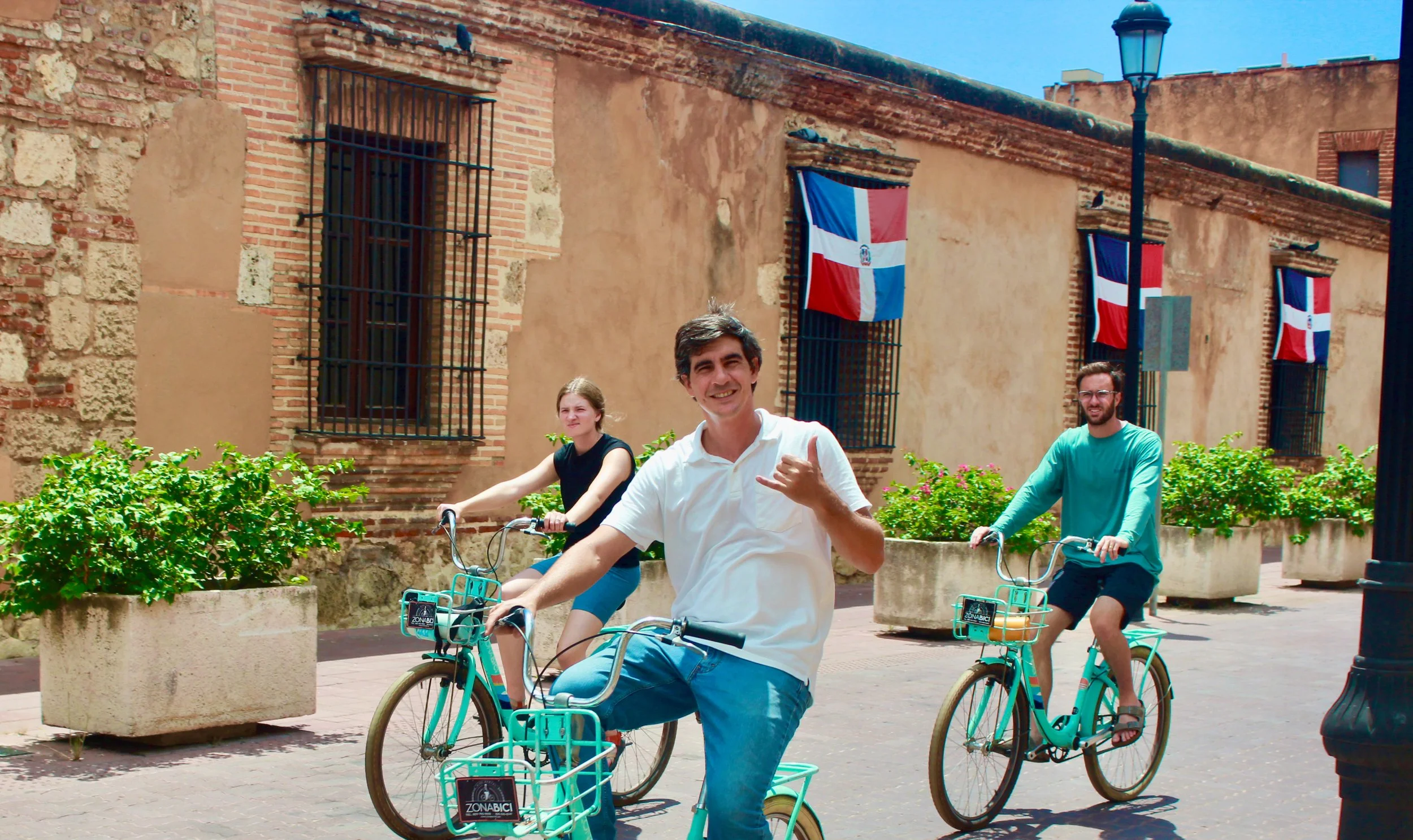
We're based in the Dominican Republic, and we've spent years creating experiences for travelers who want to get beyond the typical resort vacation.
When we started developing our student programs, we wanted to take that same idea and build something specifically for young people.
Not a vacation with a few educational activities added to it.
Not a bus tour where students spend the day looking through windows.
And not an overly structured school trip where there's no room for curiosity.
We want students to get out and experience the country.
To hike. Explore. Get in the water. Learn about the environment. Eat local food. Meet local people. Participate in community projects. Ask questions. Get a little uncomfortable. And hopefully come home seeing the world a little differently than they did when they left.
We're currently developing our 2027 student travel programs for schools and student groups interested in hands-on educational travel in the Dominican Republic.
If you're a teacher or administrator thinking about taking students abroad, we'd be happy to talk with you—even if you're still in the very early stages of planning.
Learn more about Yuma Co. student travel at yumaco.org/student-travel.
Dare to Explore.